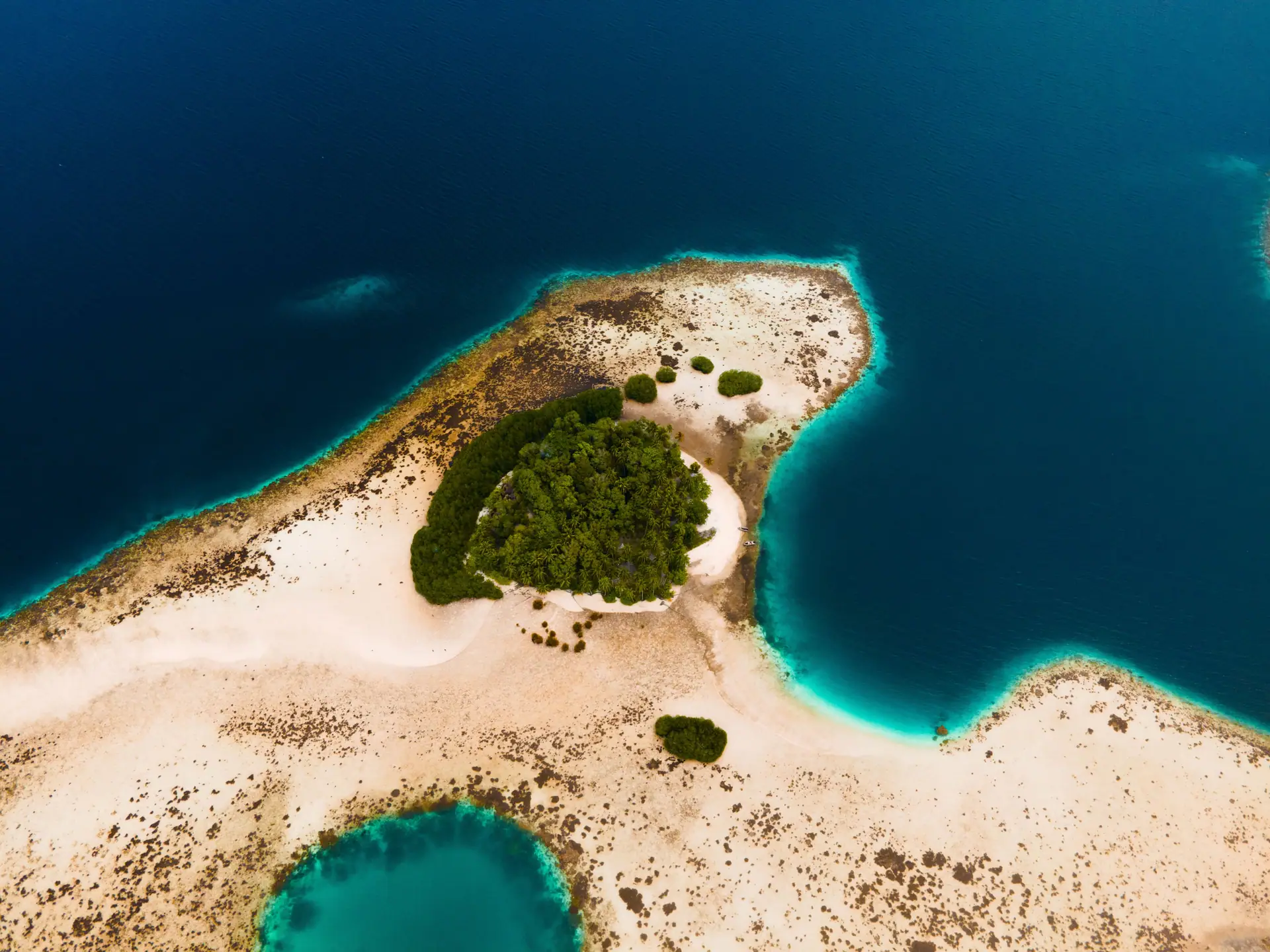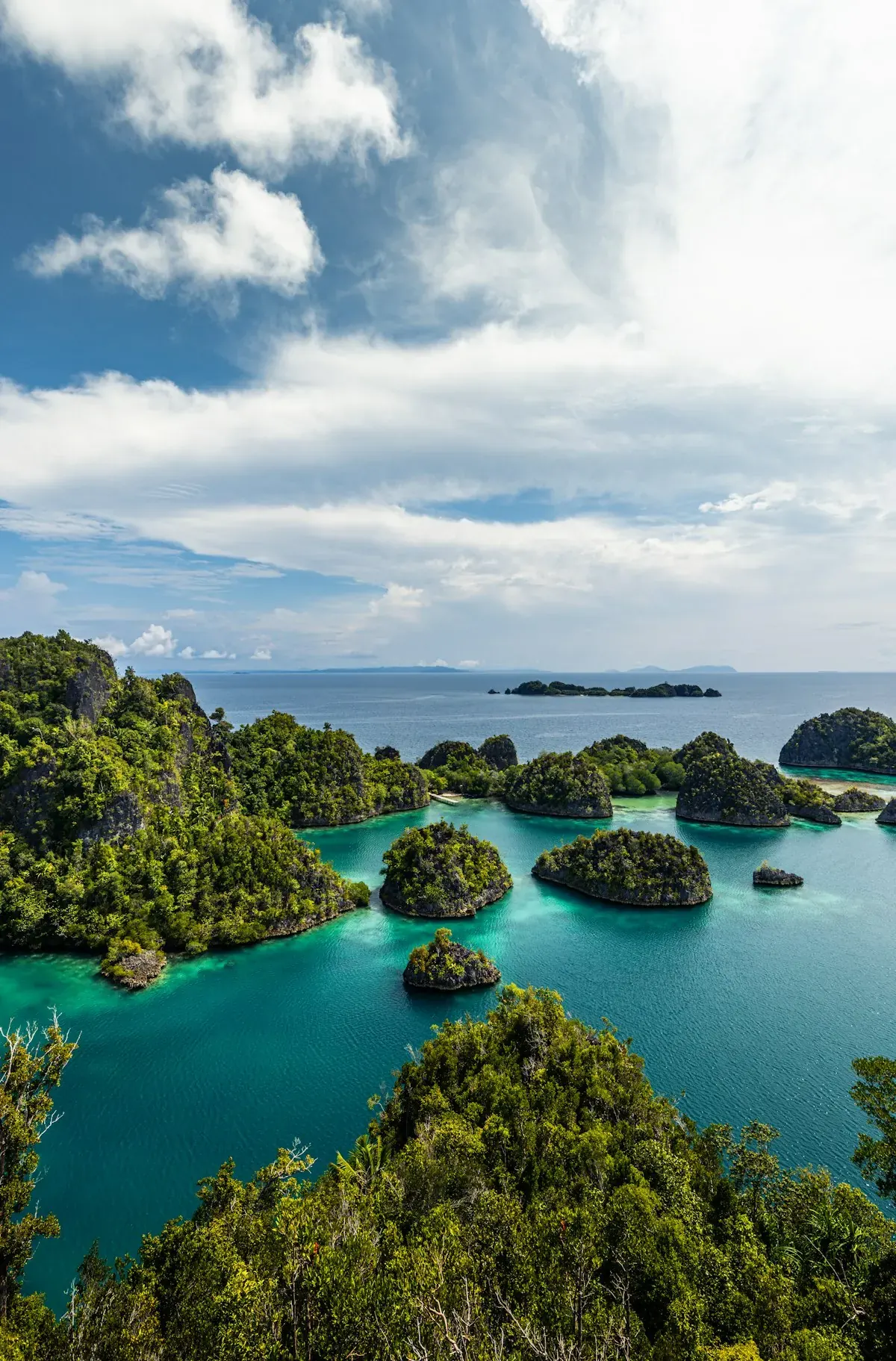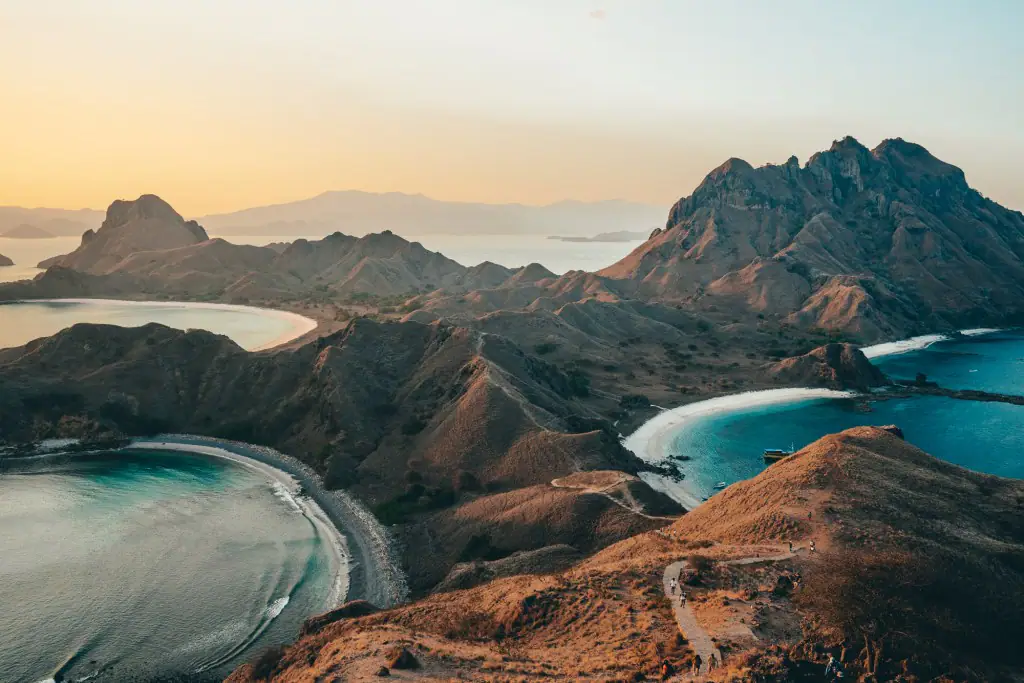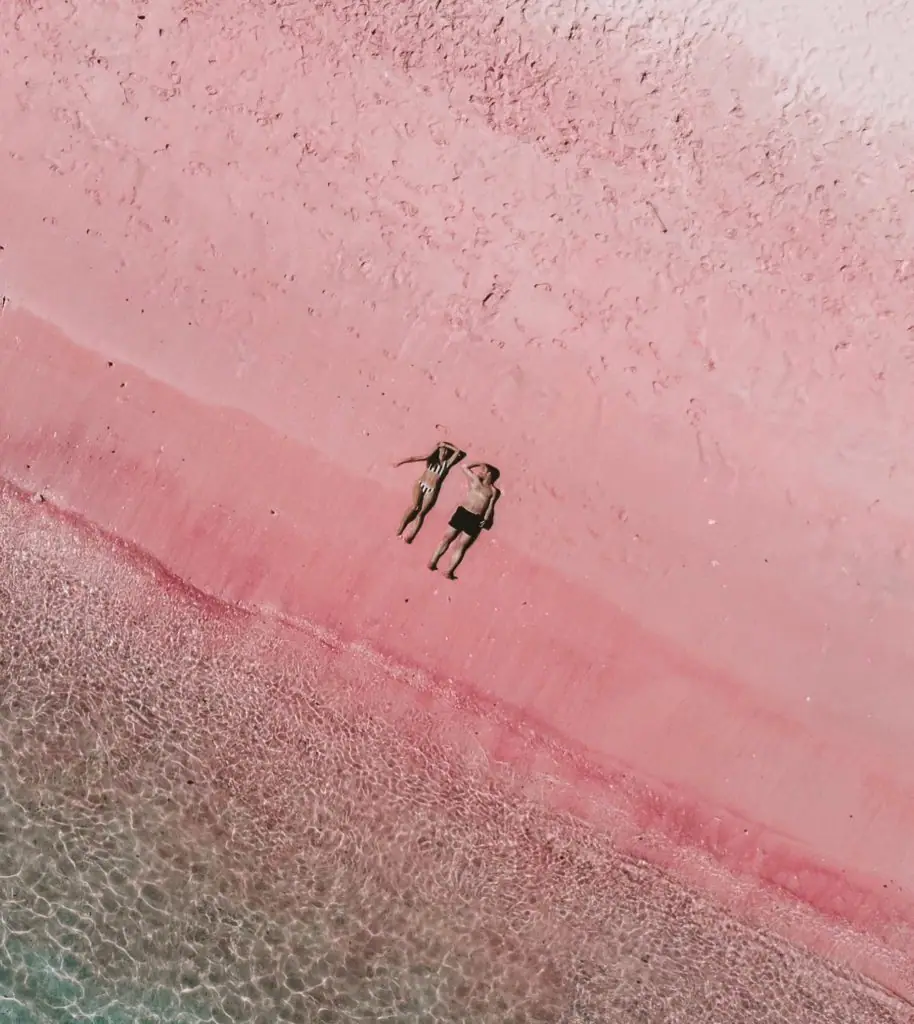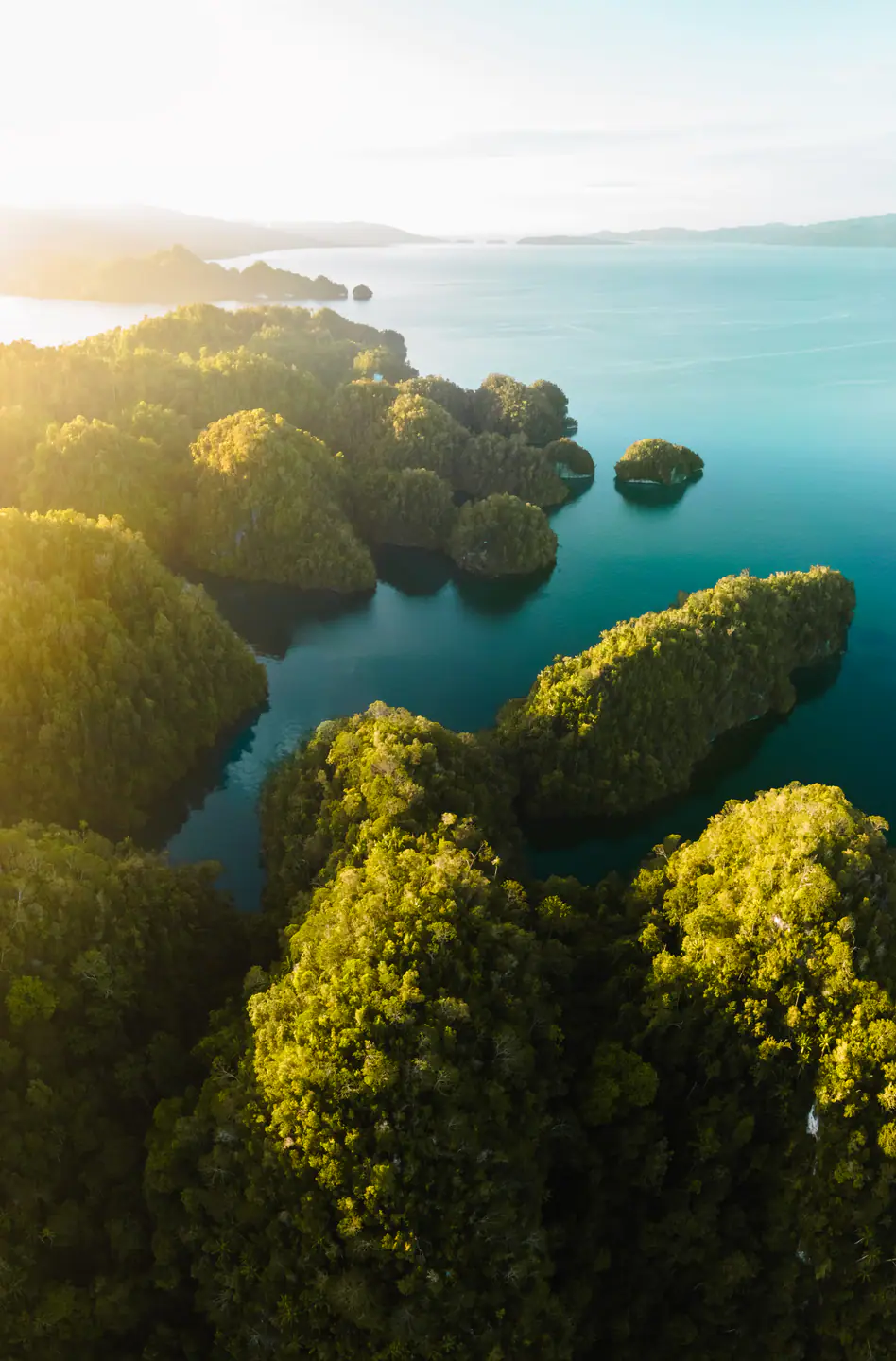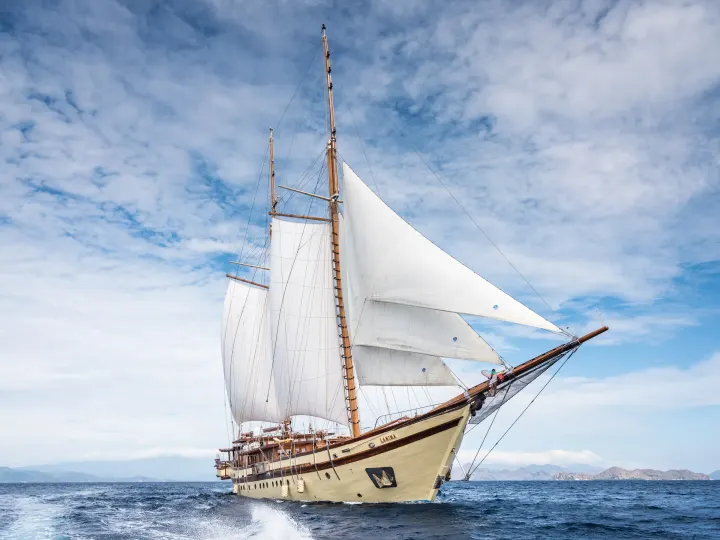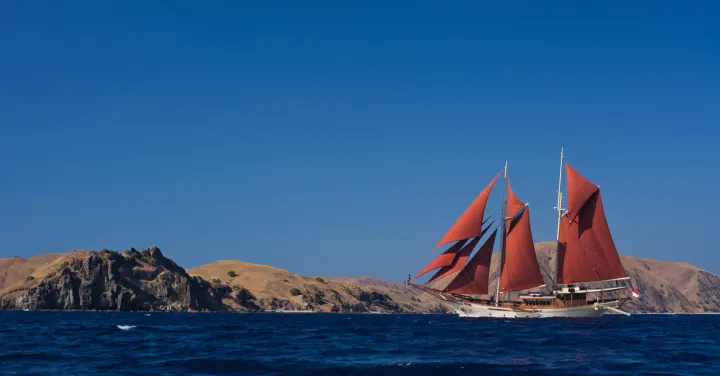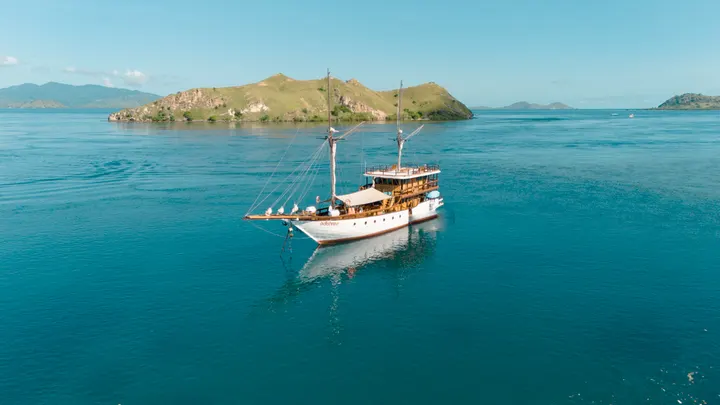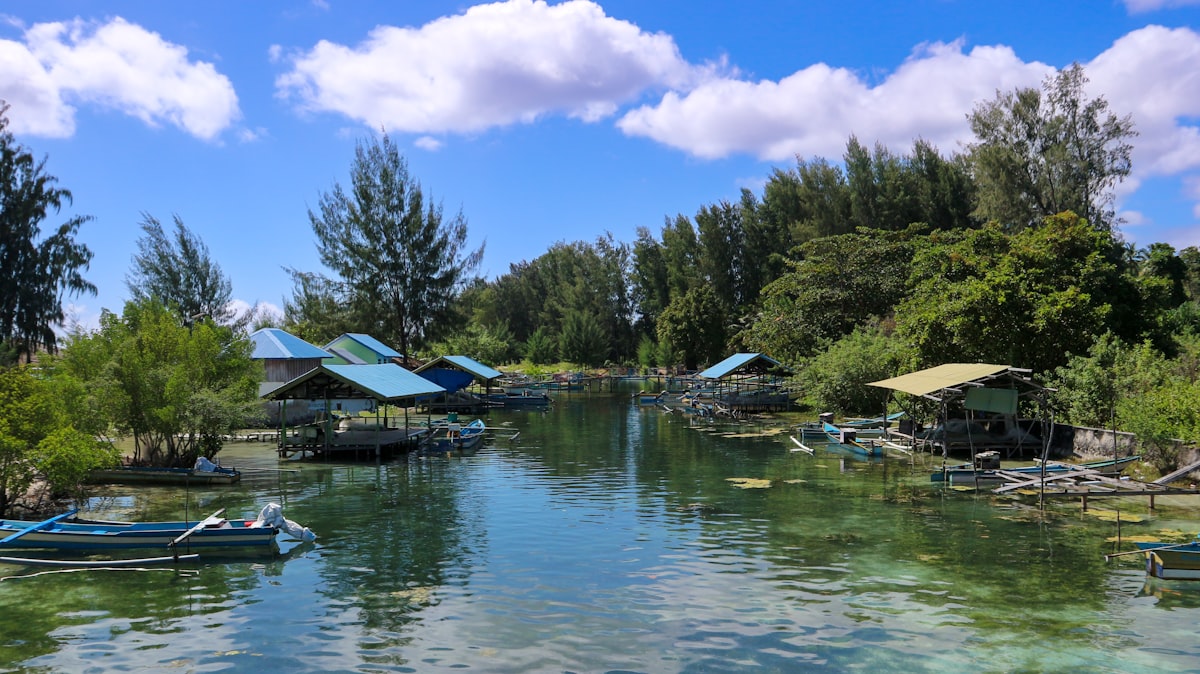
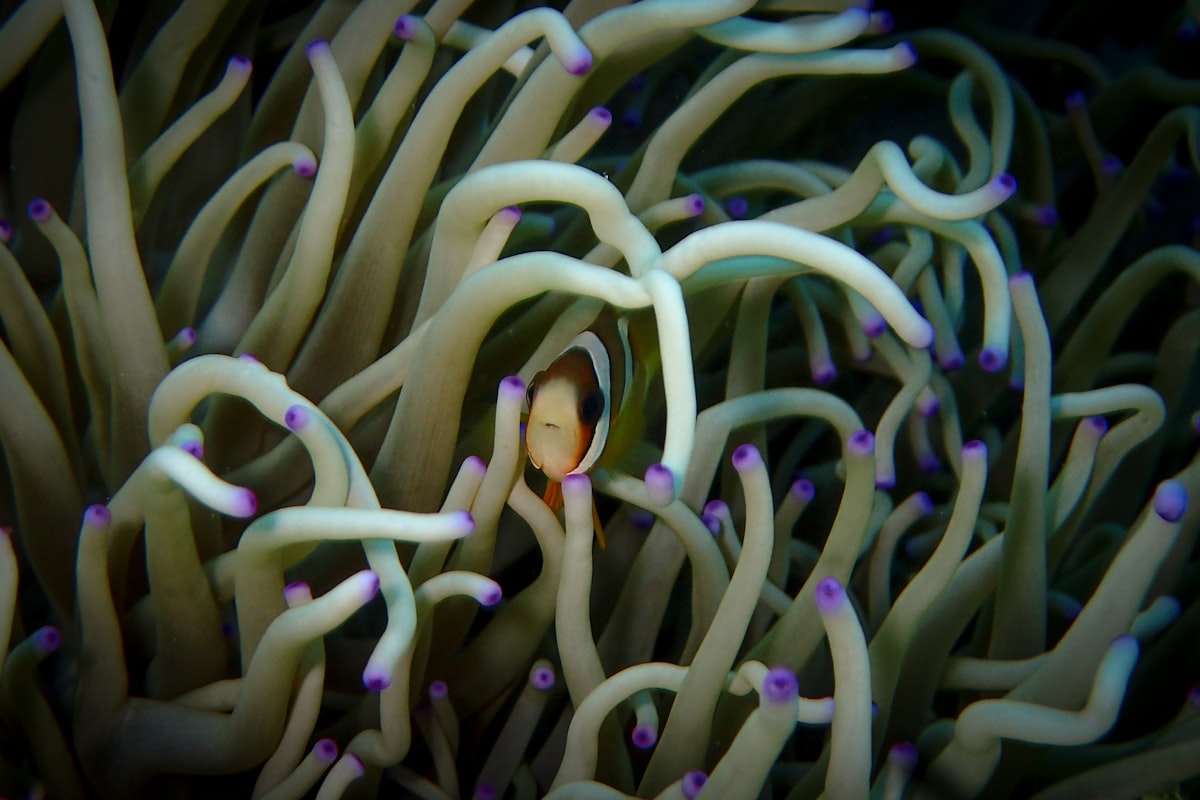
Wakatobi is an acronym for its four main islands: Wangi-Wangi, Kaledupa, Tomia, and Binongko. Together they form the core of a UNESCO Biosphere Reserve covering 1.39 million hectares — one of the planet's most pristine marine ecosystems.
Why Wakatobi?
- 750+ coral species: More than the entire Caribbean combined
- 942 fish species: Documented by marine biologists as one of the world's richest
- Pristine condition: Active conservation means reefs are healthy and thriving
- Low traffic: A fraction of the visitors that Komodo or Raja Ampat receive
- Macro diving paradise: Pygmy seahorses, ghost pipefish, blue-ringed octopus, flamboyant cuttlefish
Top Dive Sites
- Roma (Tomia): A massive coral garden on a gentle slope — pristine hard corals stretching endlessly. Easy access for all levels.
- Table Coral City (Kaledupa): Fields of enormous table corals in crystal-clear water. Turtles, reef sharks, and prolific fish life.
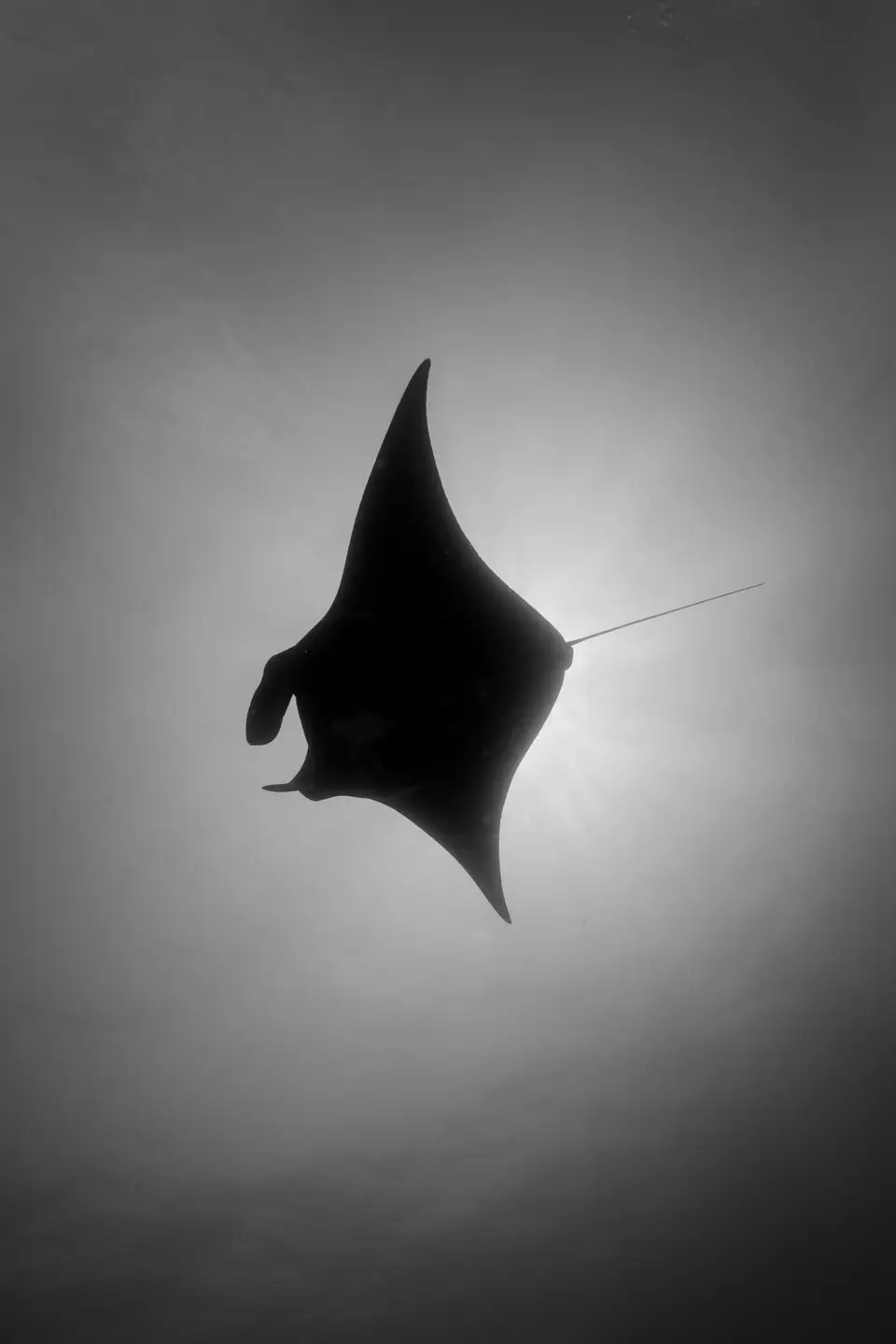
- Coral Corner (Tomia): A current-washed promontory where reef meets open water. Schooling fish, eagle rays, and occasional mantas.
- Hoga Island House Reef: One of Indonesia's best muck diving sites — nudibranchs, frogfish, and octopus in the shallows.
How to Get There
Wakatobi is remote — that's part of its appeal. Most yacht charters access Wakatobi via:
- Kendari (Southeast Sulawesi): Flights from Jakarta or Makassar. Yacht departs from Kendari marina.
- Bau-Bau (Buton Island): Closer to Wakatobi, accessible by flight from Makassar.
- Combined routes: Many charters combine Wakatobi with Sulawesi's Bunaken marine park or Togean Islands.
Sample Itinerary: 7-Night Wakatobi Charter
Day 1: Board in Kendari, overnight passage toward Wakatobi. Day 2–3: Wangi-Wangi and Kaledupa — reef dives, village visits, mangrove kayaking. Day 4–5: Tomia — world-class wall dives, Roma coral garden, night diving. Day 6: Binongko — traditional boat-building villages, pristine snorkeling. Day 7: Return passage toward Kendari or continue to Banda Sea.
Best Time to Visit
April to November offers the calmest seas and best visibility (25–40m). July–August is peak season with the driest weather. The shoulder months of April–May and October–November offer excellent conditions with fewer yachts.
Combining Wakatobi with Other Destinations
- Wakatobi + Bunaken (10 nights): Two UNESCO-class dive destinations in one voyage
- Wakatobi + Banda Sea (14+ nights): From Wakatobi east through the Banda Sea to Ambon — an epic expedition
- Wakatobi + Togean Islands (10 nights): Pristine reefs combined with Sulawesi's forest-covered islands
Contact us to plan your Wakatobi yacht charter.