Introduction
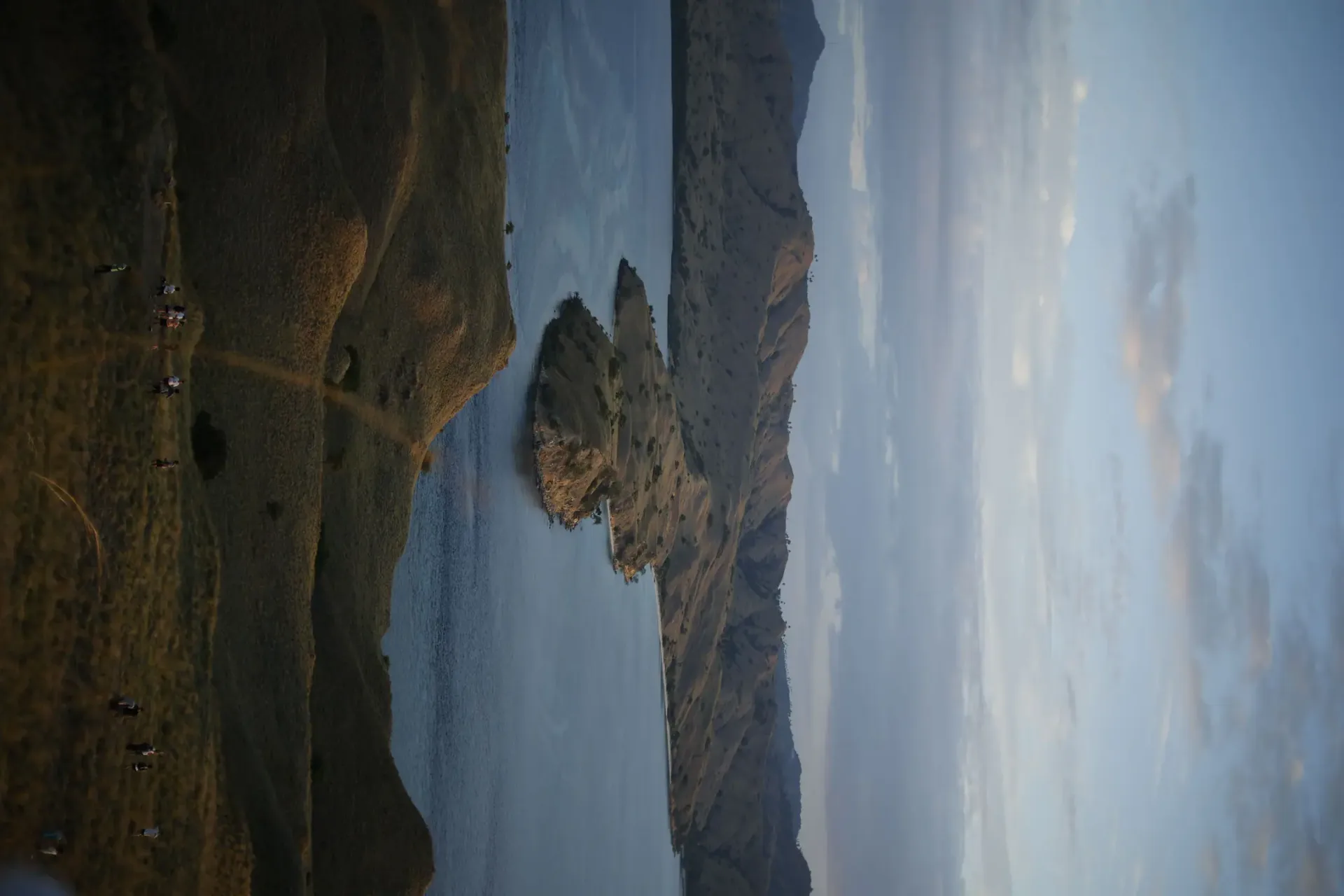
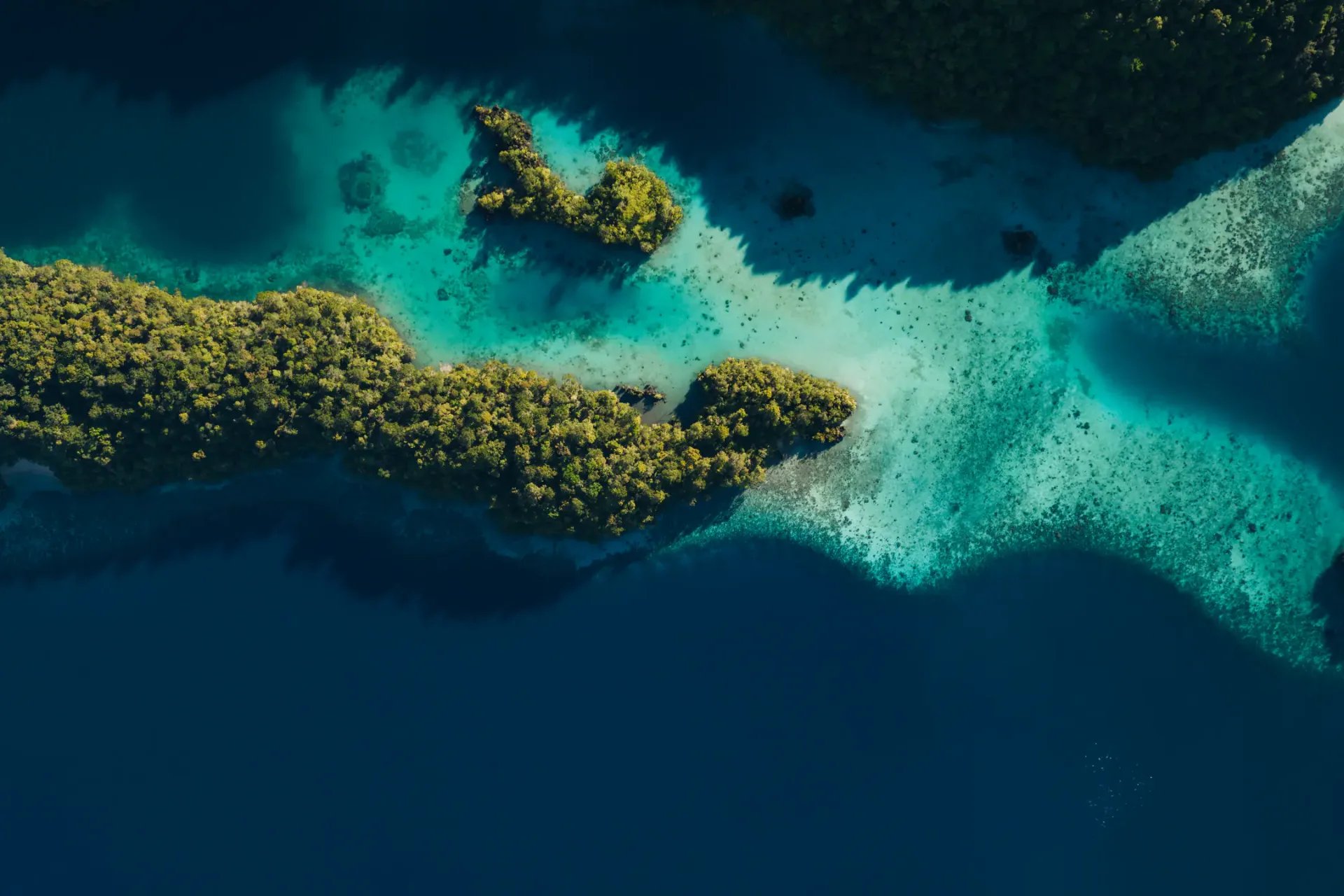
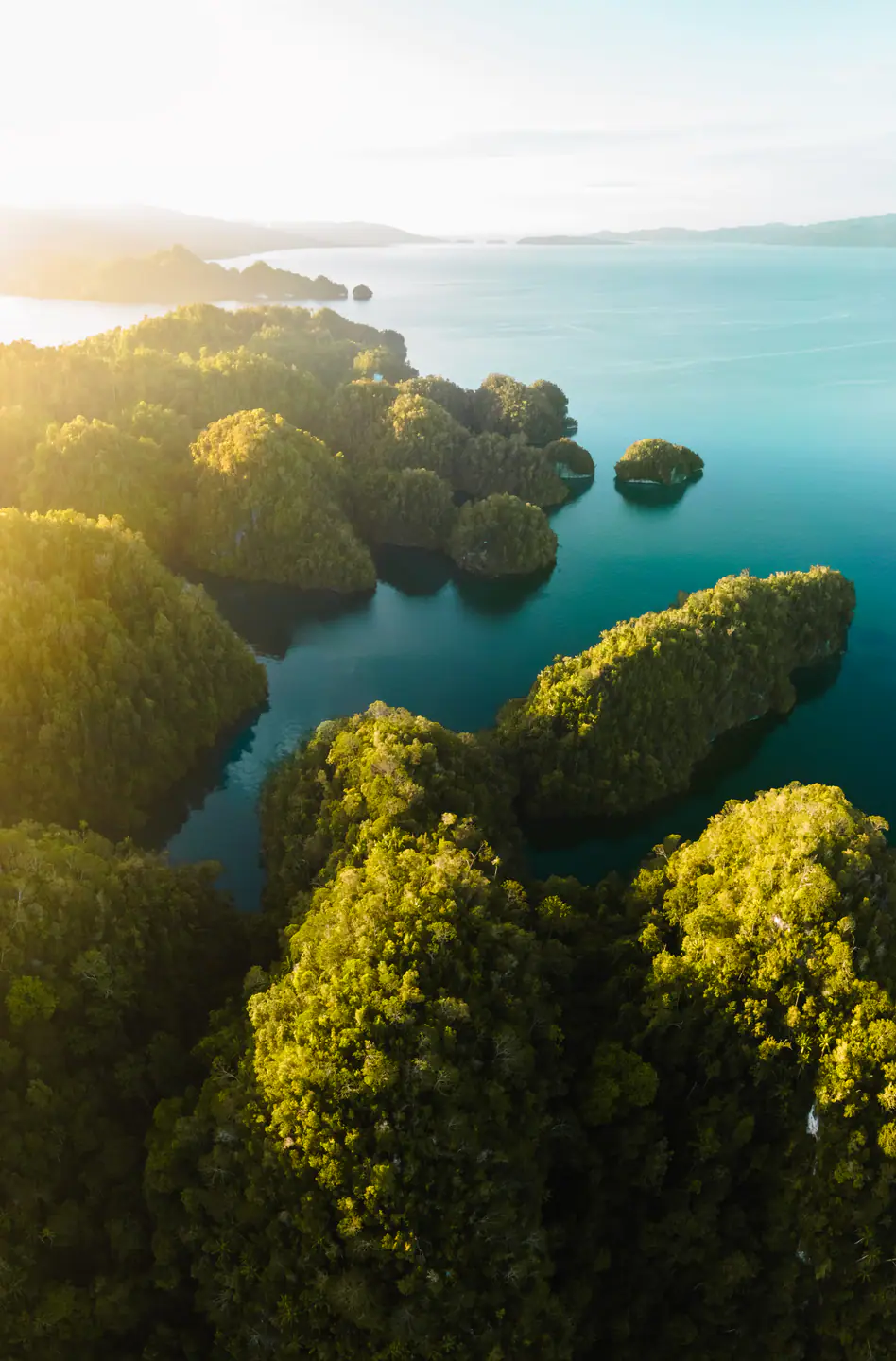
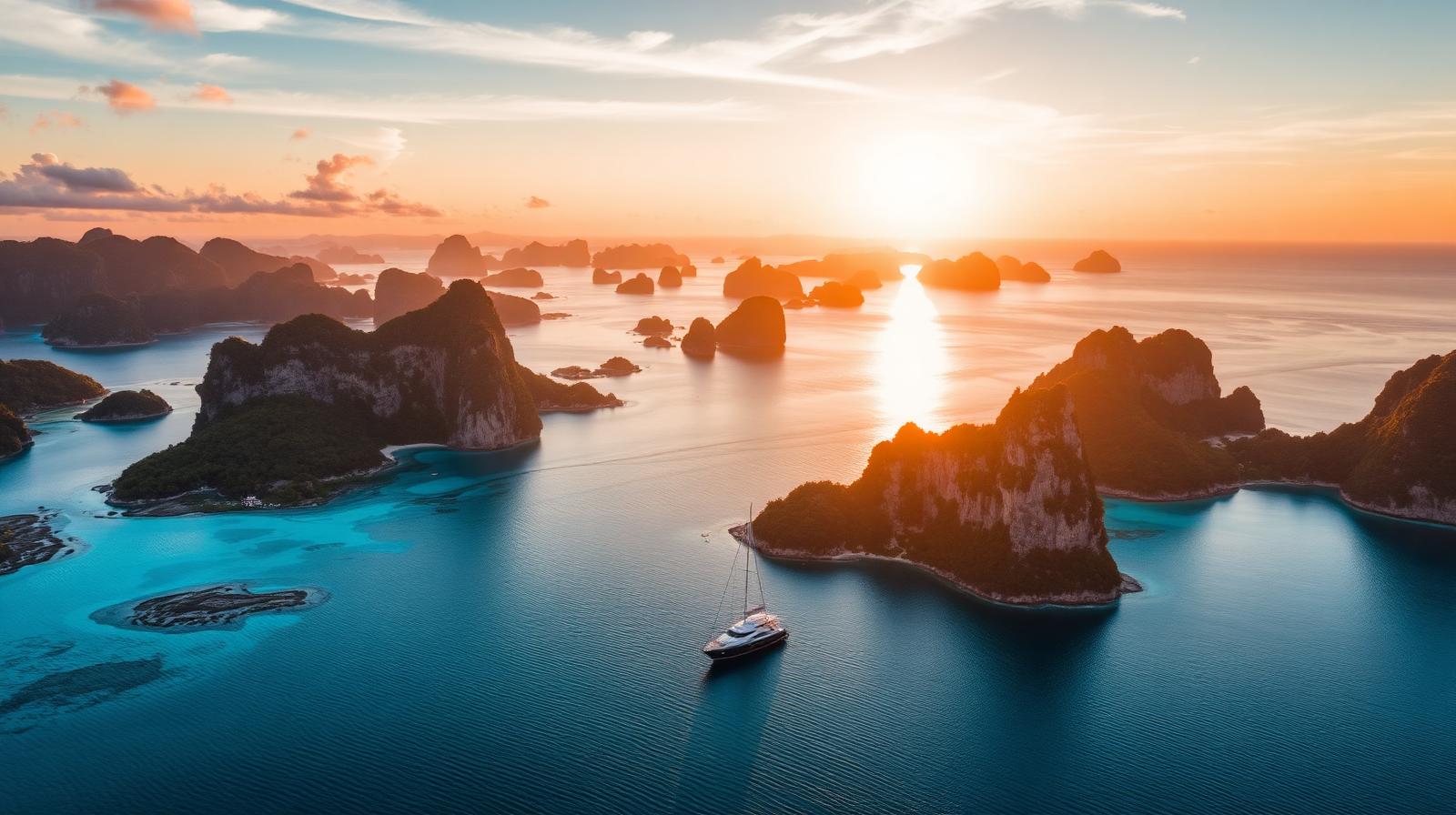
Raja Ampat is one of those rare destinations where almost every shot a serious photographer takes is genuinely worth keeping. The karst islands, the bioluminescent water, the manta cleaning stations — but each shot has a precise time of day and a precise positioning of the boat. This guide is for guests planning a Raja Ampat charter with photography as the central goal.
When to Go for Photography
October to April delivers the best photographic conditions: glassy mornings, dramatic afternoon clouds, golden sunsets, and underwater visibility of 25–35 m. Avoid June–August (southeast monsoon, choppy, grey skies). The single best month for a balance of weather, manta activity, and light: November.
The Six Hero Photography Locations
1. Wayag — sunrise from the lookout
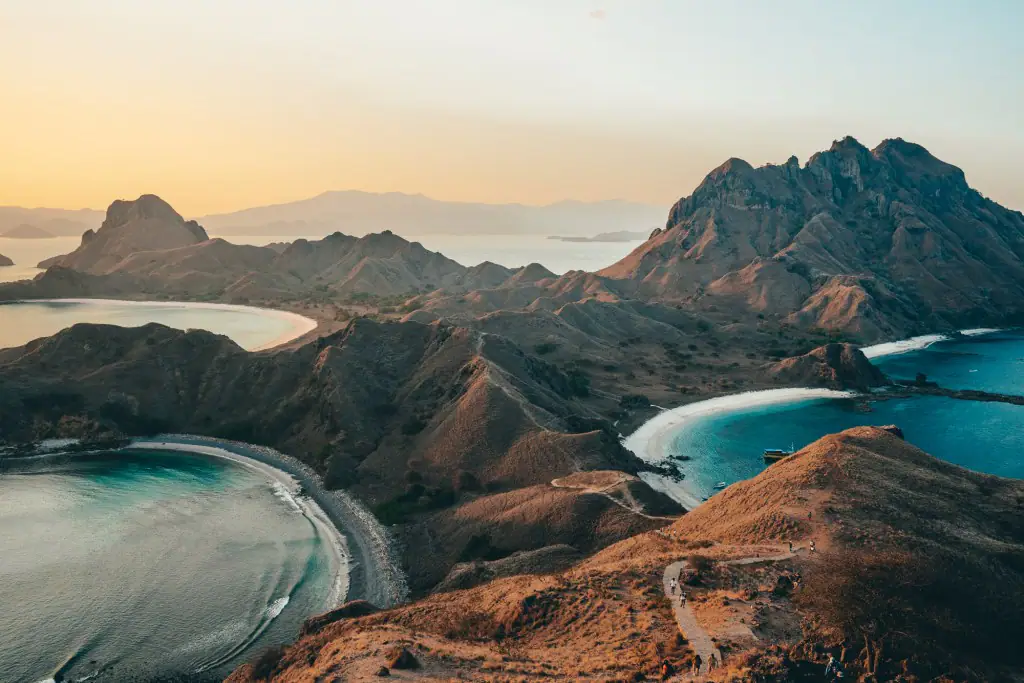
The single most iconic Raja Ampat shot. Anchor overnight at Wayag, hike the lookout in the dark with a headlamp (45 min), shoot the karst archipelago at first light. Mid-morning: drone the lagoon from the yacht. Best between October and April when seas are calmest.
2. Piaynemo viewpoint
Easier hike than Wayag (15 min on a wooden staircase), and arguably the more photogenic composition for a single frame. Best in mid-morning when the sun is high enough to light the lagoon turquoise.
3. Misool's southern lagoons
Less photographed than the north — and that's the point. Karst formations, hidden lagoons, and remote bays reachable only by tender. Golden hour here is unforgettable. Charter must include a captain who knows the area.
4. Manta Sandy & Magic Mountain — underwater
Manta cleaning stations where you can shoot wide-angle silhouettes against the surface. Visibility peaks November–March. Bring a wet housing and a wide-angle lens; mantas pass within 2–3 m.
5. Bioluminescence at night
In remote anchorages, splash water at night and the plankton glows blue. Long exposure on a tripod from the deck captures it. Best on moonless nights.
6. Birds of paradise (early morning, on land)
Some yachts arrange dawn excursions to a forest blind to photograph red birds of paradise during their courtship dance. Requires advance arrangement with local guides.
Drone & Camera Rules
- Drones are legal in Indonesian waters but require park permission inside Raja Ampat Marine Park. Your charter operator handles this.
- No drone flying near manta cleaning stations — the noise can disturb feeding behavior.
- Bring spare batteries and ND filters. Charging on board is fine; sourcing parts in Sorong is impossible.
- Underwater housings should be tested before the trip. There are no service centers in Raja Ampat.
Choosing the Right Yacht for Photography
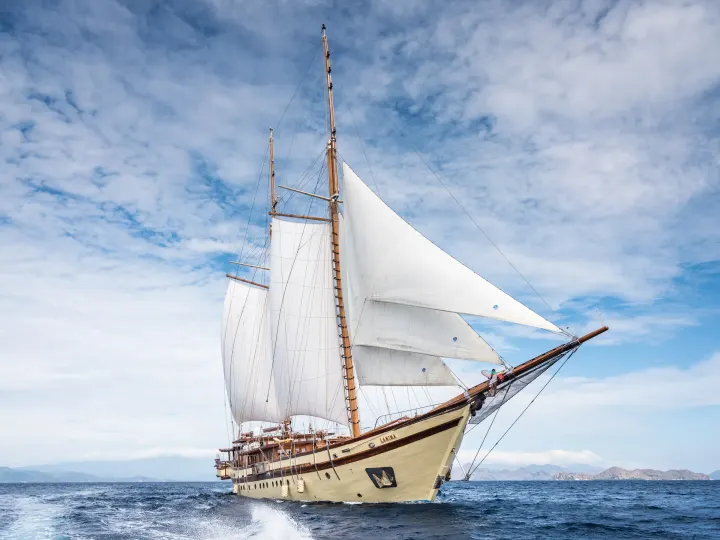
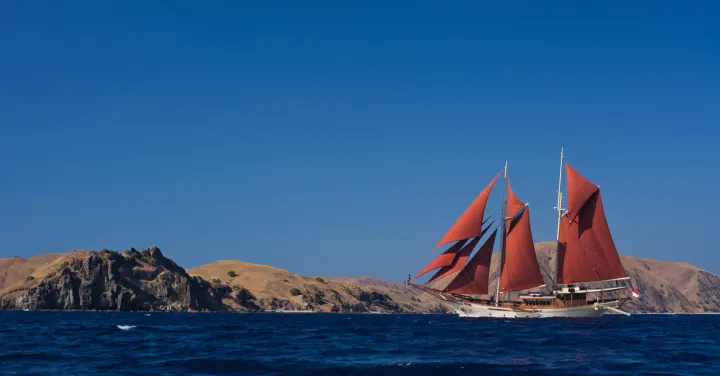
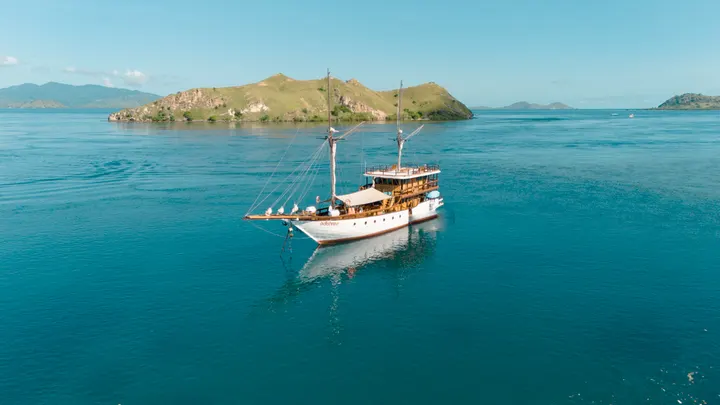
Not all charter yachts are equally suited to photographers. Look for:
- An elevated captain's deck or upper-deck flybridge for drone takeoff and elevated handheld shots.
- An open tender (not just an enclosed RIB) for photographing wildlife at water level.
- A chef willing to flex meal times — sunrise shoots mean 5 a.m. coffee and brunch at 10.
- A captain experienced in Raja Ampat who knows where to anchor for which shot.
Itinerary Length
8–10 nights is the minimum for a serious photography trip. You need flexibility to wait out cloudy mornings, return to a location twice, and reach Misool from Sorong (1.5 days each way). 10–14 nights is ideal. See our 10-day Raja Ampat framework as a starting point.